Fast delivery
Global supplier
Innovative solutions


Exploring the Benefits of Discount Fiberglass Structural Shapes in Modern Construction
Aug 02,2025
Exploring the Benefits of Discount Fiberglass Structural Shapes in Modern Construction
Table of Contents
- Introduction to Fiberglass Structural Shapes
- Advantages of Fiberglass in Construction
- Lightweight and Durable Material
- Cost-Effectiveness of Discount Fiberglass
- Corrosion Resistance and Maintenance
- Applications of Fiberglass in Modern Construction
- Environmental Benefits of Fiberglass
- Choosing the Right Discount Fiberglass Supplier
- Future of Fiberglass in Construction
- FAQs on Discount Fiberglass Structural Shapes
Introduction to Fiberglass Structural Shapes
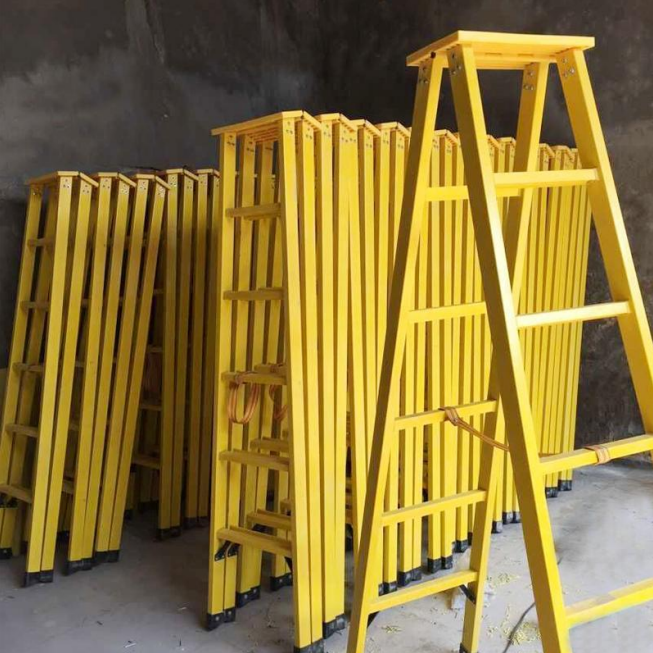
The construction industry is continuously evolving, driven by the need for innovative materials that enhance project efficiency and sustainability. One such material gaining traction is fiberglass, particularly in the form of **discount fiberglass structural shapes**. These products offer a blend of durability, lightweight properties, and cost-effectiveness, making them ideal for a variety of construction applications.
Fiberglass is composed of fine glass fibers woven into a resin matrix, resulting in a versatile material that can be molded into an array of shapes and sizes. The affordability of discount options makes fiberglass structural shapes accessible to a broader range of builders and contractors.
Advantages of Fiberglass in Construction
The benefits of fiberglass in construction extend beyond its initial affordability. We can categorize them into several key advantages that highlight its superiority over traditional materials.
Lightweight and Durable Material
One of the primary benefits of fiberglass structural shapes is their **lightweight nature**. Compared to steel or concrete, fiberglass is significantly lighter, which translates to lower transportation costs and easier handling on-site. This characteristic allows construction teams to expedite the building process without compromising structural integrity.
Moreover, fiberglass is incredibly **durable**. It can withstand harsh environmental conditions, including extreme temperatures, moisture, and UV radiation. This resilience results in longer-lasting structures with minimal repair or replacement costs over time.
Cost-Effectiveness of Discount Fiberglass
The **cost-effectiveness** of discount fiberglass structural shapes makes them an attractive option for budget-conscious projects. While the initial investment may be higher than some conventional materials, the long-term savings in maintenance and durability often outweigh upfront costs.
Furthermore, the lightweight nature of fiberglass reduces the need for extensive support structures, potentially lowering foundation costs. Builders can allocate their budget more effectively when utilizing discount fiberglass, allowing for enhanced project completion within financial constraints.
Corrosion Resistance and Maintenance
Fiberglass is inherently resistant to **corrosion**, which is a significant advantage in environments exposed to water or chemicals. Unlike metal, fiberglass does not rust, making it an ideal choice for coastal constructions or industrial applications where corrosive substances are prevalent.
Additionally, the low maintenance requirements of fiberglass contribute to its overall cost-efficiency. Regular inspections and minimal upkeep keep projects running smoothly, allowing contractors to focus on other critical aspects of construction.
Applications of Fiberglass in Modern Construction
Fiberglass structural shapes are versatile and can be integrated into various construction applications. Below are some of the most prevalent uses of fiberglass in modern building projects.
Structural Support Elements
Fiberglass is increasingly being used for **structural support elements** such as beams, columns, and trusses. The strength-to-weight ratio of fiberglass makes it suitable for supporting heavy loads while allowing for more open and flexible architectural designs.
Moreover, the ease of customization enables builders to create unique support shapes tailored to project specifications, enhancing both functionality and aesthetics.
Architectural Innovations Using Fiberglass
Fiberglass also plays a crucial role in **architectural innovations**. Designers leverage its flexibility to create complex shapes and forms that would be challenging to achieve with traditional materials.
From intricate facades to artistic installations, fiberglass allows architects to push boundaries, resulting in visually stunning structures that stand out. Its availability in various colors and finishes further broadens design possibilities.
Environmental Benefits of Fiberglass
As sustainability becomes a priority in construction, fiberglass emerges as an environmentally friendly choice. The energy required to produce fiberglass is relatively lower than that for manufacturing steel or concrete, contributing to a reduced carbon footprint.
Additionally, fiberglass's longevity minimizes waste generation, as fewer materials need to be replaced over the life of a structure. By choosing discount fiberglass structural shapes, builders can contribute to eco-friendly practices while maintaining project efficiency.
Choosing the Right Discount Fiberglass Supplier
Selecting the right supplier for discount fiberglass structural shapes is crucial for ensuring quality and reliability. Here are some tips to guide your decision:
1. **Research Supplier Reputation**: Look for suppliers with proven industry experience and positive customer reviews. Reliable suppliers often have a track record of delivering high-quality products consistently.
2. **Evaluate Product Range**: A supplier that offers a wide variety of fiberglass shapes and sizes can better meet your specific project needs. Check for customization options to ensure you can achieve your desired design.
3. **Check Certifications**: Ensure that the supplier's products meet industry standards and certifications for quality. This guarantees that the materials will perform as expected in your construction applications.
4. **Request Samples**: Before making a bulk purchase, consider requesting samples to assess the quality of the fiberglass. This step can help you make an informed decision regarding your supplier.
5. **Compare Pricing**: While cost is a significant factor, it should not be the only consideration. Evaluate the overall value, including product quality and customer service.
Future of Fiberglass in Construction
The future of fiberglass in construction appears promising as innovations in material science continue to enhance its capabilities. Research into advanced composites and hybrid materials is expected to yield even more robust and versatile fiberglass solutions.
Furthermore, as sustainability becomes an integral component of construction standards, fiberglass's environmental benefits will likely position it as a favored material. The growing trend toward eco-friendly building practices will encourage more developers to adopt fiberglass structural shapes in their projects.
FAQs on Discount Fiberglass Structural Shapes
1. What are discount fiberglass structural shapes?
Discount fiberglass structural shapes are affordable fiberglass products used in construction, offering similar properties to standard fiberglass but at a lower price due to various factors like bulk purchasing or overstock.
2. How does fiberglass compare to traditional construction materials?
Fiberglass is lighter, more resistant to corrosion, and often more cost-effective in the long term than traditional materials like steel or concrete, making it an increasingly popular choice in modern construction.
3. Are fiberglass structural shapes customizable?
Yes, fiberglass structural shapes can be customized to meet specific project requirements, including different sizes, shapes, and finishes.
4. Is fiberglass environmentally friendly?
Fiberglass production has a lower energy footprint compared to materials such as steel, and its durability reduces waste over time, making it a more environmentally friendly option.
5. How can I maintain fiberglass structures?
Fiberglass structures typically require minimal maintenance, with periodic inspections for wear and only occasional cleaning needed to maintain their appearance and performance.
Conclusion
The adoption of **discount fiberglass structural shapes** in modern construction is reshaping the industry by providing a lightweight, durable, and cost-effective alternative to traditional materials. With advantages ranging from corrosion resistance to architectural versatility, fiberglass is becoming an essential choice for builders and architects alike. As we move towards a more sustainable future, fiberglass will likely play a pivotal role in innovative construction practices, making it a material worth considering for any upcoming project.

Contact Us
Tel:
+86017717930013 +86013621742959
Email:
Address:
No.99 Denggao Road, Motou Town, Rugao City, Jiangsu Province, China.


REQUEST QUOTE
Note:We will contact you within one working day. Please pay attention to your email.