Fast delivery
Global supplier
Innovative solutions


Top 5 Applications for FRP Extension Step Ladders in Construction
Jul 23,2026
Top 5 Applications for FRP Extension Step Ladders in Construction
Introduction to FRP Extension Step Ladders
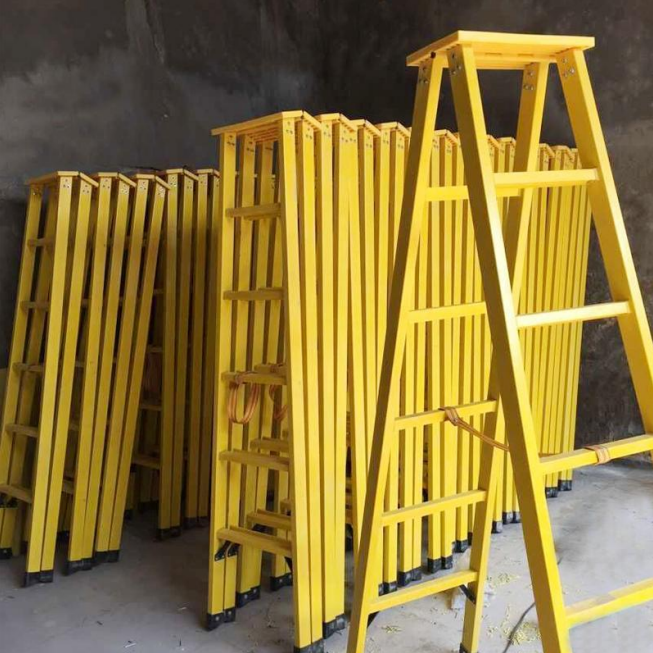
FRP (Fiber Reinforced Polymer) extension step ladders have gained significant traction in the construction industry due to their unique properties and advantages over traditional materials. The lightweight yet robust nature of FRP makes these ladders ideal for a variety of applications within the construction field. This article explores the top five applications of FRP extension step ladders, offering insights into their benefits and real-world use.
The Advantages of FRP Ladders in Construction
Before delving into specific applications, it’s important to understand why FRP ladders are increasingly favored in construction. Some key benefits include:
1. Lightweight and Portable
One of the standout features of FRP ladders is their lightweight design, which facilitates easy transport and maneuverability on job sites. This allows workers to carry them over long distances without experiencing fatigue.
2. Chemical Resistance
FRP is resistant to a variety of chemicals, making these ladders suitable for work in environments where exposure to harsh substances is a concern, such as in chemical plants or construction sites involving hazardous materials.
3. Non-Conductive Properties
A critical safety feature of FRP ladders is their non-conductive nature, which is crucial for electrical work. This property helps to prevent electrical shocks, ensuring safer working conditions for electricians and maintenance personnel.
4. Durability and Longevity
FRP ladders are designed to withstand harsh environmental conditions, including moisture and extreme temperatures. This durability translates to a longer lifespan, making them a cost-effective investment for construction companies.
5. Low Maintenance Requirements
Unlike wooden ladders, which can deteriorate over time and require regular maintenance, FRP ladders demand minimal upkeep. This feature allows workers to focus more on their tasks rather than on ladder maintenance.
Top 5 Applications of FRP Extension Step Ladders
1. Electrical Work
FRP extension step ladders are indispensable in electrical work due to their non-conductive properties. Electricians can safely access overhead wiring and fixtures without the risk of electrical shock. The lightweight nature of these ladders also allows for easy positioning and adjustment, enhancing the efficiency of electrical installations or repairs.
2. Painting and Finishing
In the realm of construction and renovation, FRP ladders are frequently used for painting and finishing tasks. Their stability and strength support workers while they navigate high ceilings and intricate architectural details. Additionally, the lightweight design reduces fatigue, allowing for extended periods of work without compromising comfort.
3. HVAC Installation and Maintenance
The HVAC industry benefits significantly from the use of FRP extension step ladders. Technicians often face the challenge of accessing elevated units or ductwork. The chemical resistance of FRP means that these ladders can be safely used in environments where they might encounter grease or cleaning agents commonly found in HVAC systems.
4. Roofing and Exterior Work
When it comes to roofing and exterior construction tasks, FRP extension step ladders provide the height and stability needed to complete the job safely. These ladders are ideal for accessing rooftops, gutters, and siding, where workers can perform maintenance or installation activities without compromising safety.
5. Facility Maintenance and General Repairs
FRP ladders are the go-to solution for facility maintenance workers who need to conduct general repairs in various environments. Whether it’s changing light fixtures, servicing equipment, or conducting inspections, these ladders offer the necessary support while being easily transported across different areas of a facility.
Safety Considerations When Using FRP Ladders
While FRP extension step ladders offer multiple advantages, safety should always be a priority. Here are a few best practices:
1. Proper Setup
Ensure that the ladder is set up on a flat, stable surface, and fully extended before climbing. This guarantees optimal stability during use.
2. Weight Limit Awareness
Always adhere to the manufacturer’s recommended weight limits. Exceeding the weight limit can compromise safety and lead to accidents.
3. Regular Inspections
Conduct routine inspections of the ladder for any signs of wear or damage. Addressing any issues promptly can extend the ladder’s lifespan and maintain safety standards.
Maintaining Your FRP Extension Step Ladder
To ensure the longevity of your FRP ladder, consider the following maintenance tips:
1. Clean After Use
After each use, clean the ladder to remove any debris or chemicals. This will help maintain its integrity and appearance.
2. Store Properly
Store the ladder in a dry, cool place when not in use. Avoid exposure to direct sunlight or extreme temperatures, which can degrade the material over time.
3. Avoid Modifications
Do not modify the ladder in any way. Changes can compromise its structural integrity and safety features.
Conclusion
FRP extension step ladders represent a pivotal advancement in construction equipment. Their lightweight, durable, and chemical-resistant properties make them suitable for various applications, from electrical work to general maintenance. By investing in these ladders, construction professionals can enhance safety and efficiency on job sites, ultimately improving the overall quality of their work. Understanding the appropriate applications and maintenance practices will ensure that FRP ladders remain an essential tool in the construction industry for years to come.
Frequently Asked Questions (FAQs)
1. What does FRP stand for in ladders?
FRP stands for Fiber Reinforced Polymer, a composite material known for its strength, lightweight characteristics, and resistance to chemicals.
2. Are FRP ladders safe for electrical work?
Yes, FRP ladders are non-conductive, making them safe for use in electrical work where there is a risk of electric shock.
3. How should I maintain my FRP ladder?
Regular cleaning, proper storage, and routine inspections are essential to maintaining your FRP ladder's integrity and safety.
4. Can FRP ladders be used outdoors?
Absolutely! FRP ladders are designed to withstand outdoor conditions, making them suitable for roofing and exterior construction tasks.
5. What weight limit should I consider when using an FRP ladder?
Always refer to the manufacturer's specifications for the recommended weight limit to ensure safety while using the ladder.
PREVIOUS:

Contact Us
Tel:
+86017717930013 +86013621742959
Email:
Address:
No.99 Denggao Road, Motou Town, Rugao City, Jiangsu Province, China.


REQUEST QUOTE
Note:We will contact you within one working day. Please pay attention to your email.