Fast delivery
Global supplier
Innovative solutions


The Versatility of Fiberglass Structural Shapes: An Insight into Their Applications in Construction
Oct 01,2025
In recent years, fiberglass structural shapes have gained popularity in the construction industry due to their unique properties and advantages. These materials, composed of a polymer matrix reinforced with fiberglass fibers, offer an excellent alternative to traditional building materials such as steel and wood. Their lightweight nature, combined with impressive strength and durability, makes fiberglass structural shapes an attractive option for a variety of architectural and engineering applications.
One of the key benefits of fiberglass structural shapes is their resistance to corrosion and environmental degradation. Unlike steel, which can rust and weaken over time when exposed to moisture, fiberglass maintains its integrity even in harsh conditions. This makes it particularly suitable for projects in coastal areas, chemical processing plants, and other environments where traditional materials may falter. Additionally, fiberglass is non-conductive, reducing the risk of electrical hazards in construction settings.
Fiberglass structural shapes also boast excellent thermal insulation properties. This can lead to improved energy efficiency in buildings, as they help maintain stable indoor temperatures. In an era where energy conservation is paramount, using fiberglass in structural applications can contribute to sustainable building practices.
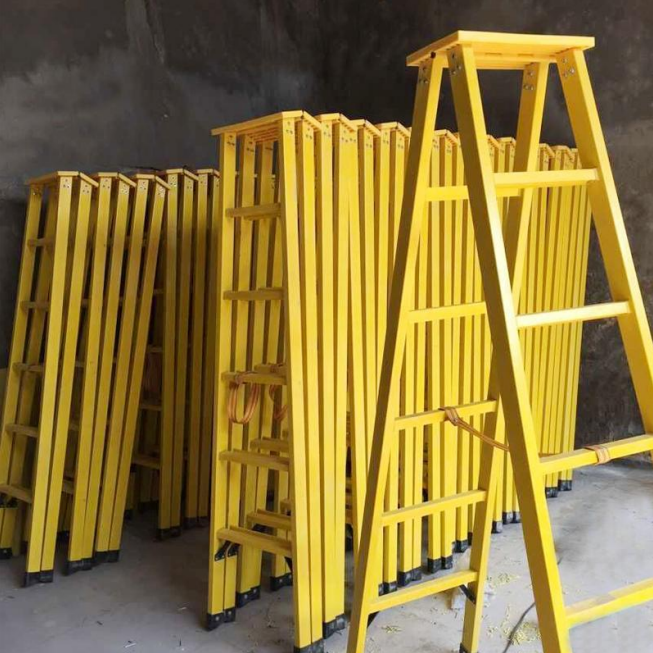
The versatility of fiberglass structural shapes allows for a wide range of applications. They can be molded into various forms, including beams, columns, channels, and more. This adaptability enables architects and designers to create innovative structures without the limitations imposed by traditional materials. Furthermore, fiberglass components can be produced in custom sizes and shapes, ensuring that specific project requirements are met.
In addition to their mechanical advantages, fiberglass structural shapes offer aesthetic benefits as well. They can be finished with various coatings and colors, allowing them to blend seamlessly with design elements in both commercial and residential projects. This flexibility in design contributes to the modern architectural movement, where functionality meets visual appeal.
Cost-effectiveness is another factor that enhances the appeal of fiberglass structural shapes. While the initial investment may be higher than that of some traditional materials, the long-term savings associated with reduced maintenance and longer lifespan can offset these upfront costs. Businesses and project managers looking for durable and efficient building materials often find that fiberglass shapes provide an excellent return on investment.
In summary, fiberglass structural shapes from China represent a forward-thinking solution in the realm of construction and decorative materials. Their unique combination of strength, durability, corrosion resistance, and aesthetic flexibility makes them an ideal choice for a wide range of applications. As the construction industry continues to evolve, the adoption of fiberglass materials is likely to become increasingly prevalent, helping to shape the future of building and design.
One of the key benefits of fiberglass structural shapes is their resistance to corrosion and environmental degradation. Unlike steel, which can rust and weaken over time when exposed to moisture, fiberglass maintains its integrity even in harsh conditions. This makes it particularly suitable for projects in coastal areas, chemical processing plants, and other environments where traditional materials may falter. Additionally, fiberglass is non-conductive, reducing the risk of electrical hazards in construction settings.
Fiberglass structural shapes also boast excellent thermal insulation properties. This can lead to improved energy efficiency in buildings, as they help maintain stable indoor temperatures. In an era where energy conservation is paramount, using fiberglass in structural applications can contribute to sustainable building practices.
The versatility of fiberglass structural shapes allows for a wide range of applications. They can be molded into various forms, including beams, columns, channels, and more. This adaptability enables architects and designers to create innovative structures without the limitations imposed by traditional materials. Furthermore, fiberglass components can be produced in custom sizes and shapes, ensuring that specific project requirements are met.
In addition to their mechanical advantages, fiberglass structural shapes offer aesthetic benefits as well. They can be finished with various coatings and colors, allowing them to blend seamlessly with design elements in both commercial and residential projects. This flexibility in design contributes to the modern architectural movement, where functionality meets visual appeal.
Cost-effectiveness is another factor that enhances the appeal of fiberglass structural shapes. While the initial investment may be higher than that of some traditional materials, the long-term savings associated with reduced maintenance and longer lifespan can offset these upfront costs. Businesses and project managers looking for durable and efficient building materials often find that fiberglass shapes provide an excellent return on investment.
In summary, fiberglass structural shapes from China represent a forward-thinking solution in the realm of construction and decorative materials. Their unique combination of strength, durability, corrosion resistance, and aesthetic flexibility makes them an ideal choice for a wide range of applications. As the construction industry continues to evolve, the adoption of fiberglass materials is likely to become increasingly prevalent, helping to shape the future of building and design.

Contact Us
Tel:
+86017717930013 +86013621742959
Email:
Address:
No.99 Denggao Road, Motou Town, Rugao City, Jiangsu Province, China.


REQUEST QUOTE
Note:We will contact you within one working day. Please pay attention to your email.