Fast delivery
Global supplier
Innovative solutions


Exploring the Advantages of New FRP Molded Profiles in Construction
Nov 12,2025
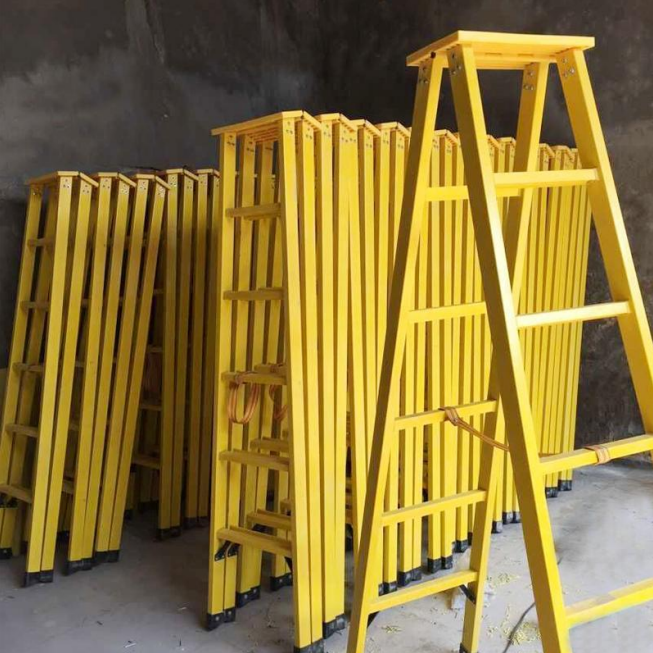
In recent years, the construction industry has seen significant advancements in materials technology, with new FRP (Fiberglass Reinforced Polymer) molded profiles emerging as a game-changer. These profiles are made from a combination of polymer resins and fiberglass, producing lightweight yet incredibly strong components that are gaining traction in various applications within the building sector.
One of the most striking advantages of new FRP molded profiles is their exceptional strength-to-weight ratio. Compared to traditional materials like steel or wood, FRP profiles are much lighter, making them easier to handle and install. This lightweight nature can lead to reduced labor costs and shorter construction times, enhancing overall project efficiency. Additionally, their resistance to corrosion makes them ideal for use in environments where exposure to moisture, chemicals, or extreme weather conditions is a concern.
Another remarkable feature of new FRP molded profiles is their versatility. These profiles can be manufactured in a wide range of shapes and sizes, allowing for customization based on specific architectural and structural requirements. This flexibility enables architects and builders to create innovative designs without compromising on structural integrity or performance. Moreover, the ability to mold intricate designs into FRP components opens up new possibilities for aesthetic enhancements in buildings and structures.
Sustainability is also a significant consideration in today’s construction practices. New FRP molded profiles are often seen as a more eco-friendly alternative to conventional building materials. Their manufacturing process can be less energy-intensive, and many FRP products are made from recycled materials. Additionally, the longevity and durability of FRP profiles mean that they require less frequent replacement, contributing to reduced waste and a smaller environmental footprint over time.
When considering new FRP molded profiles for your next construction project, it’s essential to understand their potential applications. These profiles can be utilized in various settings, including residential and commercial buildings, bridges, and even in marine applications. From structural beams and columns to decorative elements, the versatility of FRP allows for a broad spectrum of uses.
In summary, new FRP molded profiles stand out as a modern solution in the building and decoration materials industry. With their remarkable strength, lightweight properties, customization options, and sustainability benefits, they are redefining what is possible in construction. As the industry continues to evolve, embracing innovative materials like FRP will undoubtedly lead to more efficient, durable, and environmentally friendly buildings. Whether you are a builder, architect, or involved in material selection, understanding the advantages of FRP profiles can greatly enhance the success of your projects.
One of the most striking advantages of new FRP molded profiles is their exceptional strength-to-weight ratio. Compared to traditional materials like steel or wood, FRP profiles are much lighter, making them easier to handle and install. This lightweight nature can lead to reduced labor costs and shorter construction times, enhancing overall project efficiency. Additionally, their resistance to corrosion makes them ideal for use in environments where exposure to moisture, chemicals, or extreme weather conditions is a concern.
Another remarkable feature of new FRP molded profiles is their versatility. These profiles can be manufactured in a wide range of shapes and sizes, allowing for customization based on specific architectural and structural requirements. This flexibility enables architects and builders to create innovative designs without compromising on structural integrity or performance. Moreover, the ability to mold intricate designs into FRP components opens up new possibilities for aesthetic enhancements in buildings and structures.
Sustainability is also a significant consideration in today’s construction practices. New FRP molded profiles are often seen as a more eco-friendly alternative to conventional building materials. Their manufacturing process can be less energy-intensive, and many FRP products are made from recycled materials. Additionally, the longevity and durability of FRP profiles mean that they require less frequent replacement, contributing to reduced waste and a smaller environmental footprint over time.
When considering new FRP molded profiles for your next construction project, it’s essential to understand their potential applications. These profiles can be utilized in various settings, including residential and commercial buildings, bridges, and even in marine applications. From structural beams and columns to decorative elements, the versatility of FRP allows for a broad spectrum of uses.
In summary, new FRP molded profiles stand out as a modern solution in the building and decoration materials industry. With their remarkable strength, lightweight properties, customization options, and sustainability benefits, they are redefining what is possible in construction. As the industry continues to evolve, embracing innovative materials like FRP will undoubtedly lead to more efficient, durable, and environmentally friendly buildings. Whether you are a builder, architect, or involved in material selection, understanding the advantages of FRP profiles can greatly enhance the success of your projects.

Contact Us
Tel:
+86017717930013 +86013621742959
Email:
Address:
No.99 Denggao Road, Motou Town, Rugao City, Jiangsu Province, China.


REQUEST QUOTE
Note:We will contact you within one working day. Please pay attention to your email.