Fast delivery
Global supplier
Innovative solutions


How FRP Single Ladders Enhance Safety on Construction Sites
May 14,2026
How FRP Single Ladders Enhance Safety on Construction Sites
Understanding FRP (Fiber Reinforced Polymer) Ladders
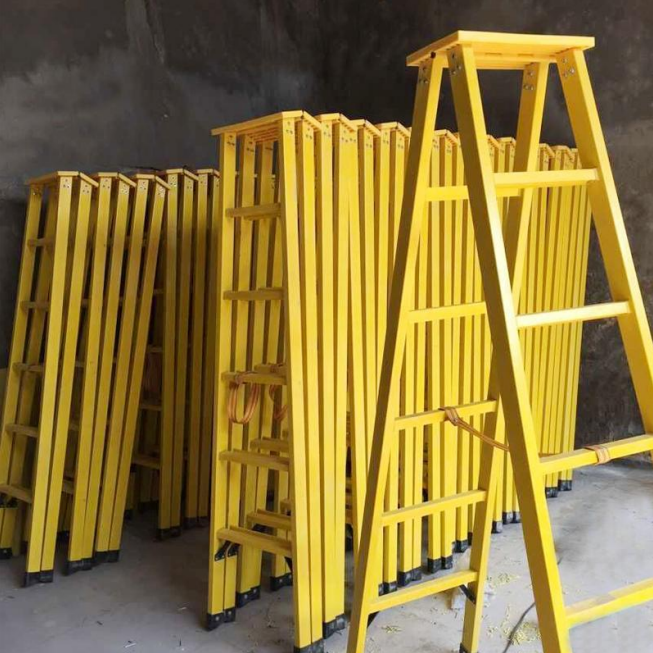
In the construction industry, safety is paramount. Workers are often required to operate at significant heights, making reliable and secure ladders a critical part of their equipment. FRP, or Fiber Reinforced Polymer, is a composite material that has gained prominence in ladder manufacturing due to its exceptional properties. FRP single ladders offer a unique blend of lightweight design, high strength, and resistance to environmental factors, making them ideal for construction sites.
The Importance of Safety on Construction Sites
Construction sites are inherently hazardous environments. According to statistics from the Occupational Safety and Health Administration (OSHA), falls are one of the leading causes of worker injuries and fatalities. Therefore, it is essential to minimize risks associated with working at heights. FRP single ladders play a crucial role in enhancing safety by providing a reliable means for workers to access elevated areas while minimizing the potential for accidents.
Key Features of FRP Single Ladders
FRP single ladders come packed with features that enhance their safety and usability on construction sites. Here are some of the standout characteristics:
1. Lightweight Design
One of the most notable advantages of FRP ladders is their lightweight construction. Weighing significantly less than traditional metal ladders, FRP ladders allow for easier transportation and maneuverability on site. Workers can carry them with minimal effort, reducing fatigue and the risk of accidents related to lifting heavy equipment.
2. High Strength-to-Weight Ratio
Despite their lightweight nature, FRP ladders possess a remarkable strength-to-weight ratio. They can support heavy loads while remaining easy to handle. This feature ensures that workers feel secure when using these ladders, ultimately reducing the likelihood of falls and injuries.
3. Corrosion Resistance
Construction sites often expose equipment to various environmental elements, including moisture, chemicals, and harsh weather conditions. FRP ladders are inherently resistant to corrosion, ensuring they maintain their structural integrity even in the face of challenging conditions. This resistance to decay extends the lifespan of the ladders, making them a cost-effective investment for construction companies.
4. Electrical Insulation Properties
Another critical safety feature of FRP ladders is their electrical insulation properties. Unlike metal ladders, which pose a significant risk of electrical shock, FRP ladders are non-conductive. This characteristic makes them an ideal choice for electrical or utility work, where workers are at risk of coming into contact with live wires.
5. Slip-Resistant Rungs and Feet
Safety is significantly enhanced through the design of slip-resistant rungs and feet on FRP ladders. The textured surface provides a secure grip, reducing the risk of slipping while climbing or working from the ladder. With this feature, workers can focus on their tasks without worrying about potential accidents.
The Role of FRP Ladders in Promoting Workplace Safety Culture
Implementing FRP single ladders in your construction practices goes beyond their physical advantages. By choosing high-quality safety equipment, companies can foster a culture of safety within their workforce. When workers see that their employers prioritize safety through equipment choices, it encourages them to adopt safe practices and take personal responsibility for their safety and that of their colleagues.
Case Studies: Success Stories in Using FRP Single Ladders
Real-world examples can illustrate the impact of FRP single ladders on safety in construction. Several companies have reported significant improvements in safety metrics after integrating these ladders into their operations. For instance, a mid-sized construction firm in California transitioned to FRP ladders after experiencing multiple incidents related to conventional metal ladders.
After the switch, they noted a 40% reduction in ladder-related accidents over the following year. Workers reported feeling more secure while using the ladders, leading to increased productivity and morale on site. This case underlines the importance of investing in quality equipment to enhance overall safety and efficiency.
Choosing the Right FRP Single Ladder for Your Needs
When selecting FRP single ladders, consider the following factors to ensure you choose the right product for your specific needs:
1. Height Requirements
Assess the heights at which your workers will be operating. FRP ladders come in various lengths, so it's crucial to select one that allows workers to reach their intended work areas safely.
2. Load Capacity
Different ladders have varying load capacities. Consider the weight of the workers and any tools or materials they will be carrying. Always choose a ladder that can comfortably support this combined weight.
3. Environmental Considerations
Evaluate the specific conditions of your construction site. If your site is exposed to chemicals, moisture, or extreme temperatures, ensure that the FRP ladder you choose is designed to withstand these factors.
4. Compliance with Safety Standards
Ensure that any FRP ladder you consider complies with local and national safety standards. This compliance is essential to guarantee that the ladder meets rigorous safety and performance criteria.
Maintaining FRP Single Ladders for Longevity and Safety
To ensure the longevity and safety of your FRP single ladders, implementing a regular maintenance routine is essential. Here are some best practices:
1. Regular Inspections
Perform routine inspections to check for signs of damage or wear. Look for cracks, delamination, or any other issues that may compromise the integrity of the ladder.
2. Cleanliness
Keep the ladders clean and free from debris. Build-up can create hazards and affect grip, so it's essential to maintain a clean surface.
3. Proper Storage
Store FRP ladders in a dry, sheltered location to protect them from prolonged exposure to moisture and harsh weather conditions. Proper storage extends the life of the ladders and ensures they remain safe to use.
Frequently Asked Questions (FAQs)
1. What are the benefits of using FRP single ladders over traditional metal ladders?
FRP single ladders offer several advantages, including lightweight design, corrosion resistance, electrical insulation, and slip-resistant features, enhancing safety and usability on construction sites.
2. Are FRP ladders suitable for use in wet conditions?
Yes, FRP ladders are highly resistant to moisture and do not corrode, making them suitable for use in wet conditions. Their slip-resistant design also provides safety in such environments.
3. How do I choose the right FRP ladder for my construction site?
When selecting an FRP ladder, consider height requirements, load capacity, environmental conditions, and ensure compliance with safety standards.
4. How often should I inspect my FRP ladders?
Regular inspections should be conducted at least once a month or after any significant use. Look for signs of wear or damage that may compromise safety.
5. Can FRP ladders support heavy loads?
FRP ladders are designed to support substantial loads while remaining lightweight. Always check the manufacturer's specifications for load capacity.
Conclusion
FRP single ladders stand out as an innovative solution that significantly enhances safety on construction sites. Their lightweight, durable, and slip-resistant features, coupled with resistance to corrosion and electrical hazards, position them as a superior choice for construction professionals. By investing in FRP ladders, companies not only comply with safety regulations but also foster a culture of safety among their workforce. Ultimately, the use of FRP ladders can lead to reduced incidents, improved productivity, and a safer working environment for everyone involved in construction projects.

Contact Us
Tel:
+86017717930013 +86013621742959
Email:
Address:
No.99 Denggao Road, Motou Town, Rugao City, Jiangsu Province, China.


REQUEST QUOTE
Note:We will contact you within one working day. Please pay attention to your email.