Fast delivery
Global supplier
Innovative solutions


Essential Safety Features to Consider When Choosing FRP Extension Step Ladders
Jun 04,2026
Essential Safety Features to Consider When Choosing FRP Extension Step Ladders
Introduction to FRP Extension Step Ladders
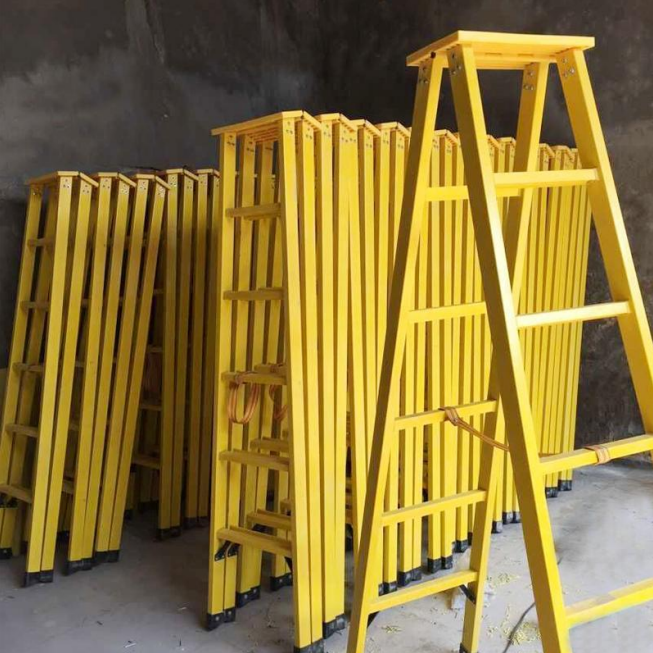
FRP (Fiber Reinforced Plastic) extension step ladders are gaining popularity due to their lightweight, durable, and corrosion-resistant properties. These ladders are designed to offer excellent safety features that cater to various applications, from construction sites to home improvement projects. In this article, we will explore the **safety features** that make FRP extension step ladders a reliable choice.
Why Choose FRP Extension Step Ladders?
FRP extension step ladders provide a myriad of benefits, including:
- **Lightweight Design:** Easy to transport and set up.
- **Corrosion Resistance:** Perfect for outdoor and harsh environments.
- **Electrical Insulation:** Safe choice for electrical work.
- **Stability and Durability:** Enhanced structural integrity for long-lasting use.
Understanding these advantages sets the stage for exploring the specific safety features that make these ladders stand out.
Key Safety Features in FRP Extension Step Ladders
When selecting an FRP ladder, it's essential to examine its safety features closely. Below are the fundamental components to consider:
Sturdy Construction and Material Quality
The quality of materials used in construction plays a vital role in safety. High-grade FRP materials ensure that the ladder can withstand heavy loads without bending or breaking. It's important to check for compliance with industry standards such as ANSI (American National Standards Institute) and OSHA (Occupational Safety and Health Administration).
Slip-Resistant Steps and Rungs
**Slip-resistant steps and rungs** are critical for preventing accidents while climbing. Look for ladders that feature textured surfaces or rubberized coatings, which can significantly enhance grip in various weather conditions.
Safety Locks and Stabilizers
Safety locks secure the ladder in an extended position, preventing accidental collapse. Additionally, stabilizers or anti-slip feet provide extra balance, particularly on uneven surfaces. Investing in ladders with these features can reduce the risk of falls.
Load Capacity Ratings
Another significant aspect to consider is the **load capacity rating**. Make sure the ladder can support not only your weight but also any tools or materials you may be carrying. Ladders are typically rated for different levels (Type I, II, III), with Type I being suitable for heavy-duty use.
Height Adjustment Mechanisms
FRP extension step ladders often come with height adjustment features that allow users to customize the ladder's length. This adaptability enhances safety by ensuring that the ladder is used at the appropriate height for the task at hand.
Automatic Locking Mechanisms
Some advanced FRP ladders include **automatic locking mechanisms** that engage when the ladder is extended. This feature adds an extra layer of safety, ensuring that the ladder remains securely in place while in use.
Ergonomic Design for Enhanced Safety
An ergonomic design is essential for reducing strain and enhancing user safety. Look for ladders with:
- **Comfortable Handrails:** Handrails should be positioned for easy gripping, reducing the risk of slipping.
- **Wide Base:** A broader base offers increased stability and minimizes the chance of tipping.
Protective Features Against Electrical Hazards
FRP ladders are especially beneficial in environments where electrical hazards are a concern. Being non-conductive, they provide an added layer of protection for electricians and others working near live wires.
Insulation Properties
Understanding the insulation properties of FRP materials can help users work more confidently around electrical installations. FRP ladders can typically withstand high voltages, making them a safer option in electrical work environments.
Maintenance Tips for Your FRP Extension Step Ladder
To ensure that your FRP extension step ladder remains safe and functional, regular maintenance is crucial. Here are some tips:
- **Clean Regularly:** Remove dirt, debris, and moisture to maintain grip on steps and prevent corrosion.
- **Inspect for Damage:** Regularly check for cracks, chips, or other signs of wear that could compromise safety.
- **Store Properly:** Always store your ladder in a dry place to prevent moisture damage, which can weaken the material over time.
Frequently Asked Questions (FAQs)
1. What is the weight capacity of FRP extension step ladders?
The weight capacity varies by model, but FRP ladders generally support between 250 to 300 pounds, depending on their type.
2. Are FRP ladders safe for use around electrical installations?
Yes, FRP ladders are non-conductive and provide an added layer of safety when working near electrical hazards.
3. How should I maintain my FRP ladder for longevity?
Regularly clean your ladder, inspect for damage, and store it properly in a dry environment to ensure longevity.
4. Can I use an FRP ladder outdoors?
Absolutely! FRP ladders are designed to resist corrosion and can be safely used in outdoor environments.
5. What makes FRP ladders more advantageous than aluminum or wooden ladders?
FRP ladders are lightweight, corrosion-resistant, and non-conductive, making them safer and easier to handle than traditional aluminum or wooden ladders.
Conclusion
Choosing the right FRP extension step ladder involves understanding its essential safety features. By considering factors such as sturdy construction, slip-resistant steps, safety locks, load capacity, and ergonomic design, we can ensure a safer experience while working at heights. Prioritizing these features will not only enhance safety but also contribute to a more efficient work process. Always remember to maintain your ladder properly to guarantee its longevity and reliability. With the right knowledge and tools, your FRP ladder can be a valuable asset in both professional and DIY projects.

Contact Us
Tel:
+86017717930013 +86013621742959
Email:
Address:
No.99 Denggao Road, Motou Town, Rugao City, Jiangsu Province, China.


REQUEST QUOTE
Note:We will contact you within one working day. Please pay attention to your email.