Fast delivery
Global supplier
Innovative solutions


Top 5 Applications of FRP Pultruded Profiles in the Construction Industry
Jun 29,2026
Top 5 Applications of FRP Pultruded Profiles in the Construction Industry
Introduction to FRP Pultruded Profiles
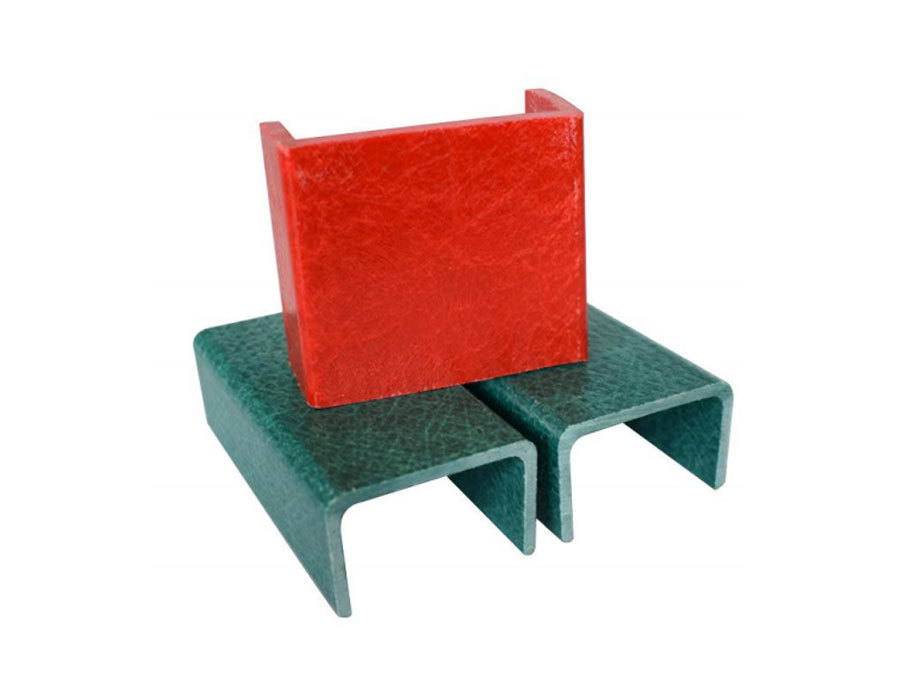
In recent years, the construction industry has witnessed a significant shift towards advanced materials that offer enhanced performance and sustainability. One such material that has garnered attention is **Fiberglass Reinforced Polymer (FRP)**, specifically in the form of **pultruded profiles**. These profiles are manufactured through a continuous process that pulls fiberglass through a resin bath and then through a heated die. This results in a lightweight yet remarkably strong composite material, making it an ideal choice for various construction applications.
Why Choose FRP Pultruded Profiles?
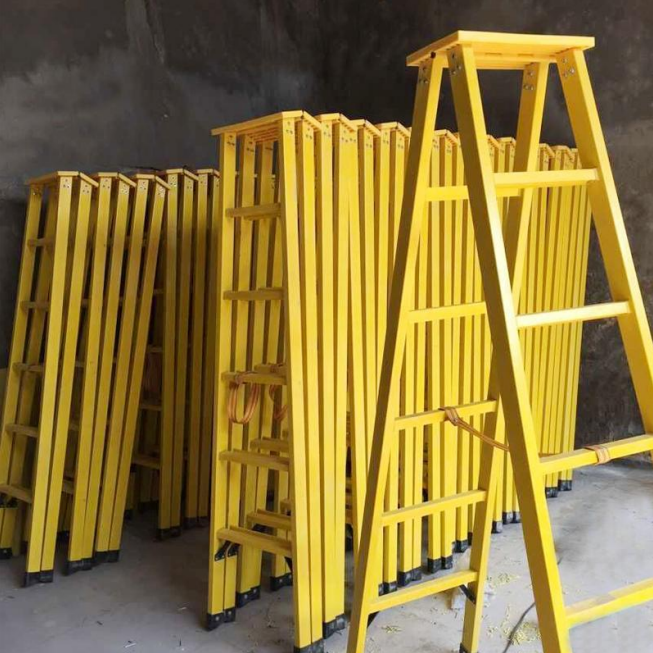
FRP pultruded profiles come with several advantages that make them superior to traditional materials. They are corrosion-resistant, lightweight, and possess high tensile strength. Additionally, their non-conductive properties make them ideal for applications in environments where electrical insulation is necessary. The versatility of FRP profiles makes them a practical choice for a range of construction projects.
H3: Application 1: Structural Components
One of the most significant applications of FRP pultruded profiles is in the creation of structural components. Their high strength-to-weight ratio allows for the construction of beams, columns, and trusses that can support substantial loads while minimizing overall structural weight. This is particularly advantageous in areas prone to seismic activity, where lighter structures can better withstand shaking and movement.
Sub-application: Bridge Construction
In bridge construction, FRP profiles are increasingly being used for **decking systems** and **support beams**. Their resistance to environmental factors like moisture and saline conditions makes them perfect for coastal or bridge applications where traditional materials might succumb to corrosion.
Application 2: Reinforcement for Existing Structures
FRP pultruded profiles are also used for retrofitting and reinforcing existing structures. **Strengthening beams and columns** with FRP can significantly extend the lifespan of older buildings and bridges without the need for extensive rebuilding. This technique not only enhances structural integrity but also minimizes downtime during renovation projects.
Application 3: Architectural Features
Beyond structural applications, FRP profiles are increasingly utilized in architectural design. They can be molded into various shapes and sizes, allowing architects to create visually stunning elements like **facades, canopies**, and **decorative features**. The versatility of FRP enables unique designs that would be challenging to achieve with traditional materials.
Application 4: Electrical and Communication Infrastructure
In the realm of electrical and communication infrastructure, FRP profiles provide excellent support for cable management systems and antenna towers. Their non-conductive nature reduces the risk of electrical hazards, making them a safe choice for installations near power lines and electronic equipment. Additionally, the lightweight nature of FRP allows for easier installation and maintenance of these systems.
Application 5: Marine and Waterfront Applications
FRP pultruded profiles are ideally suited for marine applications due to their inherent resistance to water and chemical damage. They are extensively used in constructing **docks, walkways**, and **piling** systems that are exposed to harsh marine environments. Their durability ensures longevity, reducing the need for frequent replacements and repairs.
Advantages of Using FRP Pultruded Profiles
The benefits of incorporating FRP pultruded profiles into construction projects are manifold. Here are some key advantages:
Durability
FRP materials are highly resistant to corrosion, chemicals, and extreme weather conditions. This durability translates to a longer lifespan for structures built with FRP profiles.
Lightweight
The lightweight nature of FRP makes handling and installation easier, reducing labor costs and time. This is particularly beneficial in projects where heavy machinery cannot be used.
Customizability
FRP profiles can be manufactured to specific shapes and sizes, providing customization options that meet the unique demands of various construction projects.
Cost-Effectiveness
While the initial investment might be higher than traditional materials, the long-term savings in maintenance and replacement costs make FRP profiles a cost-effective option.
Common Misconceptions About FRP Pultruded Profiles
Despite their advantages, there are several misconceptions surrounding FRP pultruded profiles that need addressing.
Misconception 1: FRP is Not as Strong as Steel
While FRP may not match the compressive strength of steel, its high tensile strength and lightweight properties often make it a more practical choice in many applications.
Misconception 2: FRP is Expensive
Though the upfront cost may be higher, the long-term savings in maintenance and replacement costs, along with the material's longevity, make FRP a financially viable option.
Misconception 3: FRP is Not Environmentally Friendly
Many FRP products are designed with recyclability in mind, and their long lifespan means they don’t contribute to waste as quickly as traditional materials.
Conclusion: The Future of FRP Pultruded Profiles in Construction
As the construction industry continues to evolve, the demand for innovative and sustainable materials will only increase. FRP pultruded profiles stand at the forefront of this transformation, offering unique benefits that align with the industry's needs. From structural integrity to aesthetic versatility, FRP is paving the way for a new era in construction. The future looks bright for FRP profiles, and their integration into various construction applications will undoubtedly continue to grow.
Frequently Asked Questions (FAQs)
1. What are FRP pultruded profiles made of?
FRP pultruded profiles are primarily composed of fiberglass reinforced with polymer resin, creating a strong and lightweight composite material.
2. How long do FRP profiles last?
With proper maintenance, FRP profiles can last for decades, making them a durable choice for various applications.
3. Are FRP profiles resistant to fire?
While FRP is not naturally fire-resistant, specific treatments can enhance its fire resistance properties.
4. Can FRP profiles be recycled?
Yes, many FRP products are designed with recyclability in mind, and recycling programs are being developed to handle FRP waste.
5. Are there any limitations to using FRP pultruded profiles?
While FRP profiles offer numerous advantages, they may not be suitable for every application, particularly where high compressive strength is required.
By understanding the applications and benefits of FRP pultruded profiles, industry professionals can make informed decisions that will enhance the performance and sustainability of their construction projects.
PREVIOUS:
Contact Us
Tel:
+86017717930013 +86013621742959
Email:
Address:
No.99 Denggao Road, Motou Town, Rugao City, Jiangsu Province, China.


REQUEST QUOTE
Note:We will contact you within one working day. Please pay attention to your email.