Fast delivery
Global supplier
Innovative solutions


Understanding Cementing Boxes: Essential Components in Molding and Foundry Operations
Jul 14,2026
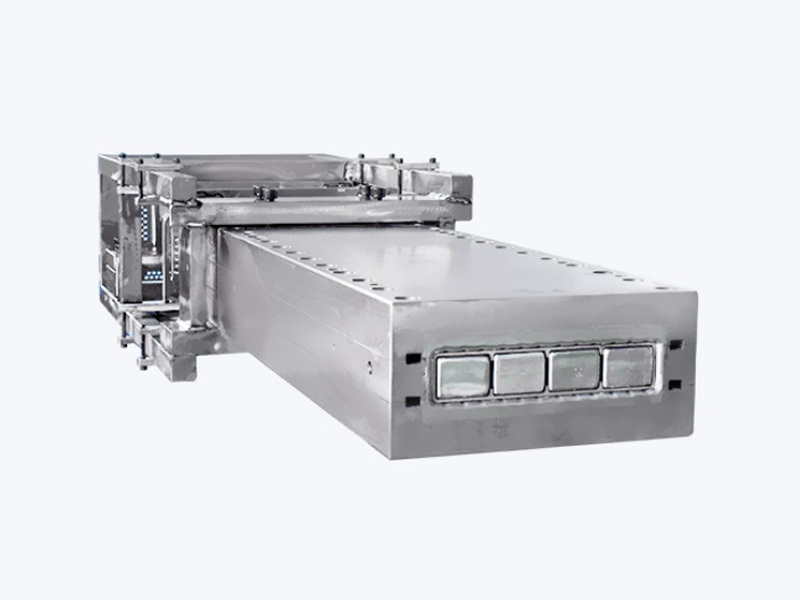
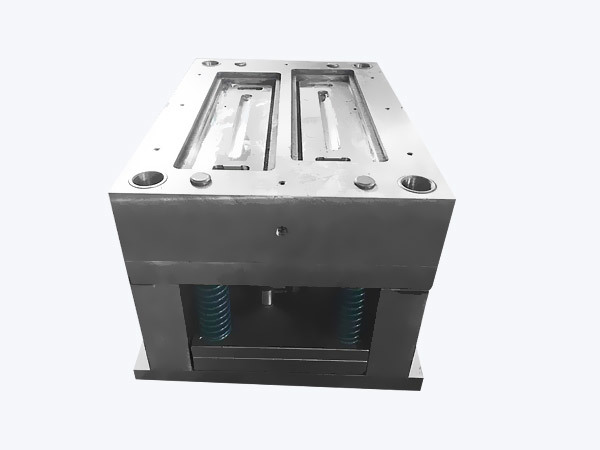
In the manufacturing and processing machinery sector, particularly in die casting and forging molds, cementing boxes play a pivotal role in ensuring the quality and precision of the final products. A cementing box serves as a containment vessel where the cement or molding material is mixed and set. Understanding the various aspects of cementing boxes can significantly enhance production efficiency and mold integrity.
One of the primary functions of a cementing box is to facilitate the uniform mixing of materials. This is vital because inconsistencies in the mixture can lead to defects in the final product. Therefore, when selecting or designing a cementing box, considerations such as size, material compatibility, and mixing capabilities should be evaluated. High-quality cementing boxes are designed to withstand various temperature and pressure conditions, ensuring that they are durable and reliable throughout the manufacturing process.
The design of a cementing box should also incorporate features that promote ease of use and safety. For instance, having an ergonomic design can assist operators in managing the mixing process without the risk of accidents or spills. Additionally, integrating features that allow for easy cleaning and maintenance can extend the lifespan of the cementing box, making it a more cost-effective choice in the long run.
Furthermore, proper utilization of cementing boxes can lead to improved mold performance. A well-prepared cement mix, achieved through the right use of a cementing box, contributes to enhanced mold strength and durability. This can be particularly beneficial in high-stress applications where molds are subjected to extreme conditions.
Quality control is another essential aspect when working with cementing boxes. Regular inspections and testing of the materials used, along with the cementing process itself, ensure that the end products meet the required standards. Implementing a robust quality assurance program can minimize the risks of defects, thereby increasing customer satisfaction and trust.
In summary, cementing boxes are indispensable in the manufacturing and processing of molds in die casting and forging. By focusing on the design, utilization, and quality control of cementing boxes, manufacturers can significantly enhance product quality and operational efficiency. As the industry continues to evolve, staying informed about best practices and innovations related to cementing boxes will position businesses for success in a competitive market.
One of the primary functions of a cementing box is to facilitate the uniform mixing of materials. This is vital because inconsistencies in the mixture can lead to defects in the final product. Therefore, when selecting or designing a cementing box, considerations such as size, material compatibility, and mixing capabilities should be evaluated. High-quality cementing boxes are designed to withstand various temperature and pressure conditions, ensuring that they are durable and reliable throughout the manufacturing process.
The design of a cementing box should also incorporate features that promote ease of use and safety. For instance, having an ergonomic design can assist operators in managing the mixing process without the risk of accidents or spills. Additionally, integrating features that allow for easy cleaning and maintenance can extend the lifespan of the cementing box, making it a more cost-effective choice in the long run.
Furthermore, proper utilization of cementing boxes can lead to improved mold performance. A well-prepared cement mix, achieved through the right use of a cementing box, contributes to enhanced mold strength and durability. This can be particularly beneficial in high-stress applications where molds are subjected to extreme conditions.
Quality control is another essential aspect when working with cementing boxes. Regular inspections and testing of the materials used, along with the cementing process itself, ensure that the end products meet the required standards. Implementing a robust quality assurance program can minimize the risks of defects, thereby increasing customer satisfaction and trust.
In summary, cementing boxes are indispensable in the manufacturing and processing of molds in die casting and forging. By focusing on the design, utilization, and quality control of cementing boxes, manufacturers can significantly enhance product quality and operational efficiency. As the industry continues to evolve, staying informed about best practices and innovations related to cementing boxes will position businesses for success in a competitive market.
PREVIOUS:
Contact Us
Tel:
+86017717930013 +86013621742959
Email:
Address:
No.99 Denggao Road, Motou Town, Rugao City, Jiangsu Province, China.


REQUEST QUOTE
Note:We will contact you within one working day. Please pay attention to your email.