Fast delivery
Global supplier
Innovative solutions


The Versatile World of FRP Molded Profiles in Construction and Decoration
Aug 01,2026
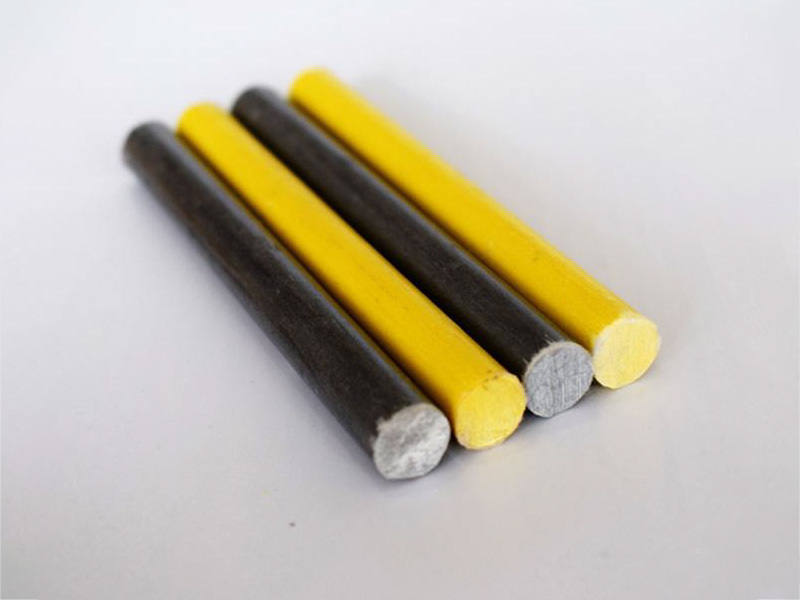
FRP molded profiles, or Fiber Reinforced Polymer molded profiles, are composite materials that have gained considerable traction in the construction and decoration sector. These profiles are formed by combining a polymer resin with reinforcing fibers, typically glass or carbon, which impart significant strength and durability to the final product. Here, we delve into the characteristics, benefits, and applications of FRP molded profiles, providing valuable insights for professionals in the field.
One of the most noteworthy features of FRP molded profiles is their exceptional strength-to-weight ratio. Unlike traditional materials such as steel or concrete, FRP profiles are lightweight, making them easier to handle and install. This attribute can lead to reduced labor costs and shorter construction timelines. Additionally, their robust nature allows them to withstand harsh environmental conditions, including corrosion, UV radiation, and extreme temperatures, which is particularly beneficial in coastal or industrial areas.
FRP molded profiles boast an impressive level of design flexibility. They can be molded into various shapes and sizes, providing architects and designers with the creative freedom to develop innovative and aesthetically pleasing structures. This versatility makes them suitable for a wide range of applications, including facades, structural supports, window frames, and decorative elements. The ability to produce custom profiles also means that projects can achieve unique designs without compromising on performance.
Sustainability is another compelling reason to consider FRP molded profiles. These materials can often be manufactured using recycled components, and their long lifespan reduces the need for frequent replacements, contributing to less waste in landfills. Furthermore, the energy required to produce and transport FRP profiles is typically lower than that of traditional materials, making them a more environmentally friendly choice in building projects.
In the realm of construction and decoration materials, the growing demand for lightweight, durable, and versatile options is being met by FRP molded profiles. Their ability to combine functionality with aesthetic appeal aligns perfectly with current architectural trends, where sustainability and innovation are prioritized. As professionals in the industry, understanding the advantages and potential applications of FRP molded profiles can empower you to make informed decisions that enhance project outcomes.
In conclusion, FRP molded profiles represent a significant advancement in construction materials. Their strength, lightweight nature, design flexibility, and sustainability make them an appealing choice for a variety of building applications. As the industry continues to evolve, staying informed about these innovative materials can offer competitive advantages in the market.
One of the most noteworthy features of FRP molded profiles is their exceptional strength-to-weight ratio. Unlike traditional materials such as steel or concrete, FRP profiles are lightweight, making them easier to handle and install. This attribute can lead to reduced labor costs and shorter construction timelines. Additionally, their robust nature allows them to withstand harsh environmental conditions, including corrosion, UV radiation, and extreme temperatures, which is particularly beneficial in coastal or industrial areas.
FRP molded profiles boast an impressive level of design flexibility. They can be molded into various shapes and sizes, providing architects and designers with the creative freedom to develop innovative and aesthetically pleasing structures. This versatility makes them suitable for a wide range of applications, including facades, structural supports, window frames, and decorative elements. The ability to produce custom profiles also means that projects can achieve unique designs without compromising on performance.
Sustainability is another compelling reason to consider FRP molded profiles. These materials can often be manufactured using recycled components, and their long lifespan reduces the need for frequent replacements, contributing to less waste in landfills. Furthermore, the energy required to produce and transport FRP profiles is typically lower than that of traditional materials, making them a more environmentally friendly choice in building projects.
In the realm of construction and decoration materials, the growing demand for lightweight, durable, and versatile options is being met by FRP molded profiles. Their ability to combine functionality with aesthetic appeal aligns perfectly with current architectural trends, where sustainability and innovation are prioritized. As professionals in the industry, understanding the advantages and potential applications of FRP molded profiles can empower you to make informed decisions that enhance project outcomes.
In conclusion, FRP molded profiles represent a significant advancement in construction materials. Their strength, lightweight nature, design flexibility, and sustainability make them an appealing choice for a variety of building applications. As the industry continues to evolve, staying informed about these innovative materials can offer competitive advantages in the market.
PREVIOUS:
Contact Us
Tel:
+86017717930013 +86013621742959
Email:
Address:
No.99 Denggao Road, Motou Town, Rugao City, Jiangsu Province, China.


REQUEST QUOTE
Note:We will contact you within one working day. Please pay attention to your email.