Fast delivery
Global supplier
Innovative solutions


The Versatile Advantages of FRP Molded Profiles in Construction
Jun 13,2026
Fiber Reinforced Polymer (FRP) molded profiles are increasingly gaining attention in the construction and decoration materials sector, especially for building profiles. These innovative materials offer a plethora of advantages, making them a popular choice for architects and builders alike. Understanding FRP molded profiles can significantly enhance the quality and efficiency of construction projects.
FRP is a composite material that combines a polymer matrix—usually a thermoset resin—with reinforcing fibers, typically glass or carbon. The result is a lightweight, strong, and durable material that can withstand harsh environmental conditions, making it suitable for both indoor and outdoor applications. One of the standout features of FRP molded profiles is their resistance to corrosion, which is particularly beneficial in areas exposed to moisture, chemicals, and other harsh elements. This durability ensures a longer lifespan compared to traditional materials, reducing the need for frequent replacements and lowering maintenance costs.
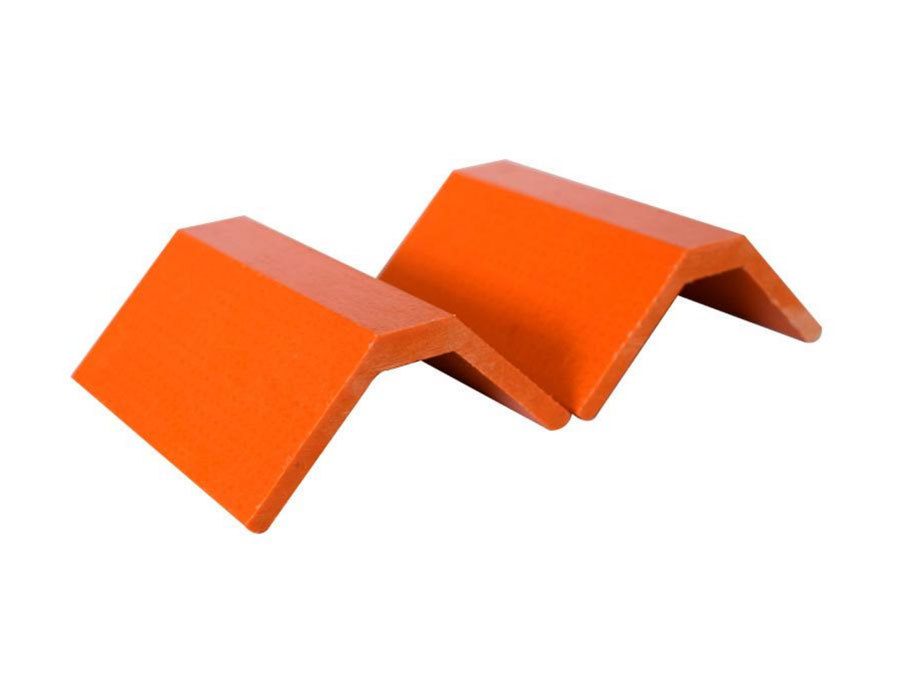
Another significant advantage of FRP molded profiles is their design flexibility. The molding process allows for intricate shapes and designs that can be tailored to meet specific architectural requirements. This adaptability opens up a range of aesthetic possibilities, enabling designers to create visually striking structures without compromising structural integrity. Additionally, FRP profiles can easily be painted or finished to match the desired color schemes and styles.
Moreover, FRP molded profiles contribute to energy efficiency in buildings. The insulating properties of FRP reduce thermal transfer, helping maintain indoor temperatures and reducing reliance on heating and cooling systems. This not only leads to energy savings but also makes buildings more comfortable for occupants.
In terms of sustainability, FRP molded profiles are often produced with recyclable materials and can themselves be recycled at the end of their life cycle. This aligns with the growing emphasis on sustainable building practices that minimize environmental impact.
When considering the use of FRP molded profiles in construction, it’s essential to work with experienced professionals who understand the material’s properties and applications. Proper installation and integration into design plans are crucial for maximizing the benefits of FRP profiles.
In conclusion, FRP molded profiles offer a blend of strength, versatility, and sustainability that makes them an excellent choice for modern construction projects. By leveraging these advanced materials, builders can create structures that are not only durable and efficient but also aesthetically pleasing. As the construction industry continues to evolve, FRP molded profiles will likely play an increasingly vital role in shaping the future of building materials.
FRP is a composite material that combines a polymer matrix—usually a thermoset resin—with reinforcing fibers, typically glass or carbon. The result is a lightweight, strong, and durable material that can withstand harsh environmental conditions, making it suitable for both indoor and outdoor applications. One of the standout features of FRP molded profiles is their resistance to corrosion, which is particularly beneficial in areas exposed to moisture, chemicals, and other harsh elements. This durability ensures a longer lifespan compared to traditional materials, reducing the need for frequent replacements and lowering maintenance costs.
Another significant advantage of FRP molded profiles is their design flexibility. The molding process allows for intricate shapes and designs that can be tailored to meet specific architectural requirements. This adaptability opens up a range of aesthetic possibilities, enabling designers to create visually striking structures without compromising structural integrity. Additionally, FRP profiles can easily be painted or finished to match the desired color schemes and styles.
Moreover, FRP molded profiles contribute to energy efficiency in buildings. The insulating properties of FRP reduce thermal transfer, helping maintain indoor temperatures and reducing reliance on heating and cooling systems. This not only leads to energy savings but also makes buildings more comfortable for occupants.
In terms of sustainability, FRP molded profiles are often produced with recyclable materials and can themselves be recycled at the end of their life cycle. This aligns with the growing emphasis on sustainable building practices that minimize environmental impact.
When considering the use of FRP molded profiles in construction, it’s essential to work with experienced professionals who understand the material’s properties and applications. Proper installation and integration into design plans are crucial for maximizing the benefits of FRP profiles.
In conclusion, FRP molded profiles offer a blend of strength, versatility, and sustainability that makes them an excellent choice for modern construction projects. By leveraging these advanced materials, builders can create structures that are not only durable and efficient but also aesthetically pleasing. As the construction industry continues to evolve, FRP molded profiles will likely play an increasingly vital role in shaping the future of building materials.
Contact Us
Tel:
+86017717930013 +86013621742959
Email:
Address:
No.99 Denggao Road, Motou Town, Rugao City, Jiangsu Province, China.


REQUEST QUOTE
Note:We will contact you within one working day. Please pay attention to your email.