Fast delivery
Global supplier
Innovative solutions


Understanding FRP Angle Steel: A Modern Solution for Construction and Decoration
Jul 26,2026
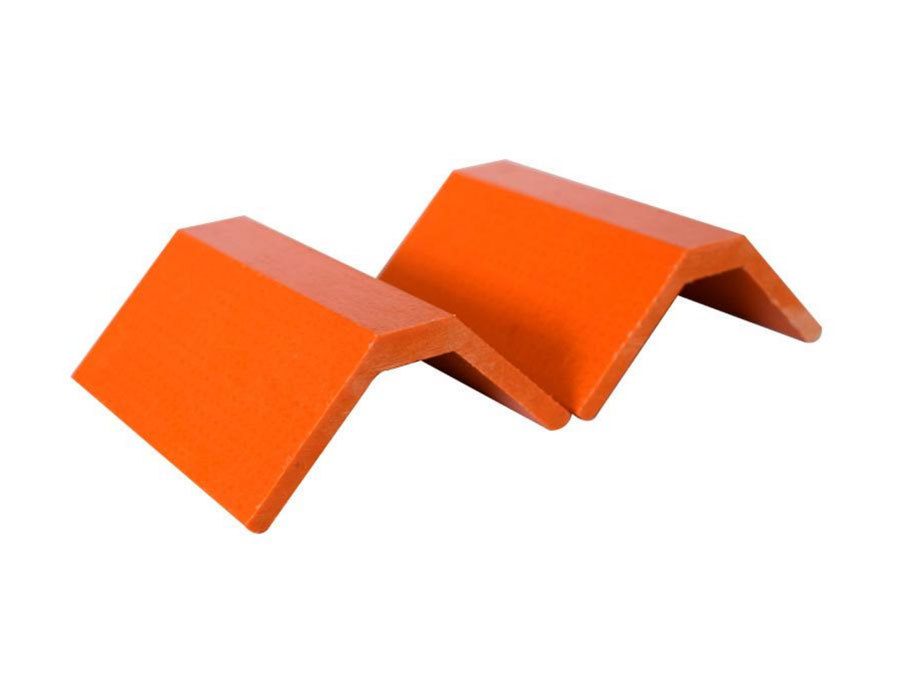
When it comes to construction and decorative materials, FRP (Fiber Reinforced Polymer) angle steel is gaining traction as an innovative alternative to traditional steel products. This material combines the strength and stability of steel with the lightweight and corrosion-resistant properties of polymer composites. Understanding FRP angle steel is essential for those involved in building and structural design, as it offers several advantages that can enhance project outcomes.
One of the primary benefits of FRP angle steel is its resistance to corrosion. Unlike traditional steel, which can suffer from rust and degradation due to exposure to moisture and harsh environments, FRP angle steel maintains its integrity over time. This characteristic makes it particularly suitable for coastal construction projects or environments where chemical exposure is a concern. By using FRP angle steel, builders can reduce maintenance costs and extend the lifespan of their structures.
In addition to its corrosion resistance, FRP angle steel is significantly lighter than conventional steel. This lightweight nature offers several advantages during the construction process. First, it reduces transportation costs, as more materials can be shipped at once without exceeding weight limits. Second, the ease of handling and installation can lead to faster project completion times, ultimately saving time and labor costs. Workers can maneuver these materials more easily, which is especially beneficial in projects that require intricate designs or tight spaces.
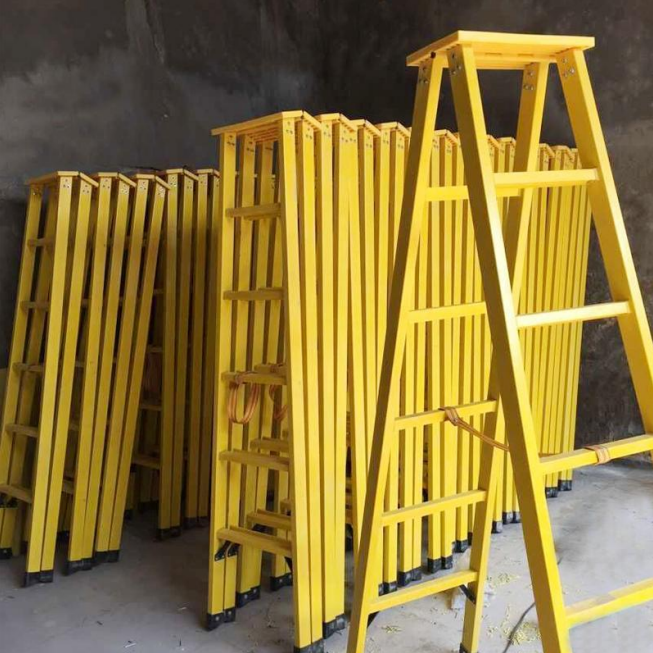
Another compelling aspect of FRP angle steel is its versatility in design and application. It can be used in various structural components, such as beams, supports, and brackets, while also being aesthetically pleasing for decorative elements. The ability to customize colors and finishes adds another layer of appeal, allowing architects to incorporate these materials seamlessly into their designs.
Furthermore, FRP angle steel is also an environmentally friendly choice. Its production processes generally have a lower carbon footprint than traditional steel manufacturing, making it a more sustainable option. As more industries prioritize eco-friendly practices, FRP angle steel positions itself as a responsible choice for environmentally conscious builders.
Lastly, while the initial costs of FRP angle steel may be higher compared to traditional materials, the long-term savings on maintenance, enhanced durability, and reduced labor costs can make it a cost-effective investment. Understanding the specific needs of a project and evaluating the potential benefits of FRP angle steel can lead to informed decisions that favor sustainability and efficiency.
In summary, FRP angle steel stands out as a modern solution in the construction and decoration industries. Its properties of corrosion resistance, lightweight design, versatility, eco-friendliness, and long-term cost-effectiveness make it a worthy consideration for any building project. Embracing this innovative material could pave the way for enhanced structural integrity and aesthetic appeal in various applications.
One of the primary benefits of FRP angle steel is its resistance to corrosion. Unlike traditional steel, which can suffer from rust and degradation due to exposure to moisture and harsh environments, FRP angle steel maintains its integrity over time. This characteristic makes it particularly suitable for coastal construction projects or environments where chemical exposure is a concern. By using FRP angle steel, builders can reduce maintenance costs and extend the lifespan of their structures.
In addition to its corrosion resistance, FRP angle steel is significantly lighter than conventional steel. This lightweight nature offers several advantages during the construction process. First, it reduces transportation costs, as more materials can be shipped at once without exceeding weight limits. Second, the ease of handling and installation can lead to faster project completion times, ultimately saving time and labor costs. Workers can maneuver these materials more easily, which is especially beneficial in projects that require intricate designs or tight spaces.
Another compelling aspect of FRP angle steel is its versatility in design and application. It can be used in various structural components, such as beams, supports, and brackets, while also being aesthetically pleasing for decorative elements. The ability to customize colors and finishes adds another layer of appeal, allowing architects to incorporate these materials seamlessly into their designs.
Furthermore, FRP angle steel is also an environmentally friendly choice. Its production processes generally have a lower carbon footprint than traditional steel manufacturing, making it a more sustainable option. As more industries prioritize eco-friendly practices, FRP angle steel positions itself as a responsible choice for environmentally conscious builders.
Lastly, while the initial costs of FRP angle steel may be higher compared to traditional materials, the long-term savings on maintenance, enhanced durability, and reduced labor costs can make it a cost-effective investment. Understanding the specific needs of a project and evaluating the potential benefits of FRP angle steel can lead to informed decisions that favor sustainability and efficiency.
In summary, FRP angle steel stands out as a modern solution in the construction and decoration industries. Its properties of corrosion resistance, lightweight design, versatility, eco-friendliness, and long-term cost-effectiveness make it a worthy consideration for any building project. Embracing this innovative material could pave the way for enhanced structural integrity and aesthetic appeal in various applications.
PREVIOUS:
Contact Us
Tel:
+86017717930013 +86013621742959
Email:
Address:
No.99 Denggao Road, Motou Town, Rugao City, Jiangsu Province, China.


REQUEST QUOTE
Note:We will contact you within one working day. Please pay attention to your email.