Fast delivery
Global supplier
Innovative solutions


Understanding FRP Fences: A Comprehensive Guide for Traffic Safety
Jun 20,2026
---
**Understanding FRP Fences: A Comprehensive Guide for Traffic Safety**
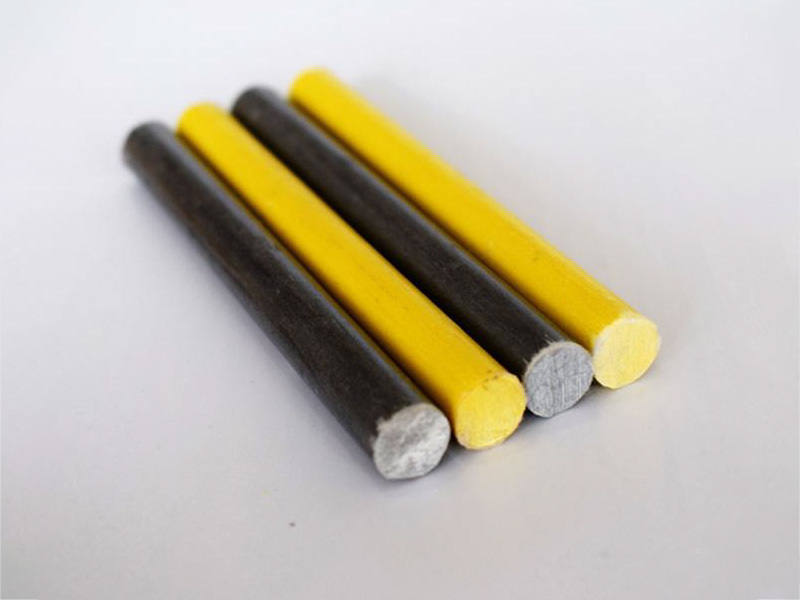
In the realm of traffic safety equipment, FRP (Fiber Reinforced Polymer) fences have emerged as a vital solution for enhancing security and safety on roadways. These fences are engineered from a composite of polymer resins reinforced with fiber, typically glass fiber, which provides a unique combination of strength, durability, and lightweight properties. The increasing need for effective safety measures in transportation has significantly elevated the demand for FRP fences.
One of the most notable advantages of FRP fences is their resistance to environmental factors. Unlike traditional materials such as wood or metal, FRP does not corrode, rust, or rot, which significantly extends the lifespan of the fencing. This durability means that FRP fences require less maintenance and replacement, providing long-term cost benefits. Moreover, they can withstand harsh weather conditions, making them suitable for various climates.
In terms of safety, FRP fences serve as effective barriers that can delineate roadways, protect pedestrians, and guide vehicular traffic. Their visibility can also be enhanced with reflective materials during installation, ensuring they are noticeable to drivers during both day and night. This visibility contributes to overall traffic management and accident prevention strategies.
From an environmental perspective, FRP fences are a sustainable choice. The materials used in their production can be recycled, reducing waste and promoting eco-friendly practices within the transportation industry. This aspect is increasingly important as more companies seek to reduce their carbon footprint and implement green initiatives.
When considering the installation of an FRP fence, it is essential to evaluate the specific requirements of the intended location. Factors such as height, design, and placement should be taken into account to maximize safety and effectiveness. It is advisable to consult with professionals who specialize in traffic safety equipment to ensure the design and installation meet local regulations and safety standards.
Maintenance of FRP fences is relatively straightforward. Regular inspections are recommended to identify any potential damage, although the need for repairs is minimal due to the material's inherent durability. Cleaning with water and mild detergent can help maintain their appearance and functionality, ensuring they remain effective over time.
In conclusion, FRP fences represent a modern solution in the traffic safety equipment sector, providing a robust, lightweight, and environmentally friendly option for enhancing safety on roadways. Their unique properties make them an excellent choice for various applications, from highways to urban settings. As the industry continues to evolve, the integration of advanced materials like FRP will play a crucial role in shaping safer and more efficient transportation systems.
**Understanding FRP Fences: A Comprehensive Guide for Traffic Safety**
In the realm of traffic safety equipment, FRP (Fiber Reinforced Polymer) fences have emerged as a vital solution for enhancing security and safety on roadways. These fences are engineered from a composite of polymer resins reinforced with fiber, typically glass fiber, which provides a unique combination of strength, durability, and lightweight properties. The increasing need for effective safety measures in transportation has significantly elevated the demand for FRP fences.
One of the most notable advantages of FRP fences is their resistance to environmental factors. Unlike traditional materials such as wood or metal, FRP does not corrode, rust, or rot, which significantly extends the lifespan of the fencing. This durability means that FRP fences require less maintenance and replacement, providing long-term cost benefits. Moreover, they can withstand harsh weather conditions, making them suitable for various climates.
In terms of safety, FRP fences serve as effective barriers that can delineate roadways, protect pedestrians, and guide vehicular traffic. Their visibility can also be enhanced with reflective materials during installation, ensuring they are noticeable to drivers during both day and night. This visibility contributes to overall traffic management and accident prevention strategies.
From an environmental perspective, FRP fences are a sustainable choice. The materials used in their production can be recycled, reducing waste and promoting eco-friendly practices within the transportation industry. This aspect is increasingly important as more companies seek to reduce their carbon footprint and implement green initiatives.
When considering the installation of an FRP fence, it is essential to evaluate the specific requirements of the intended location. Factors such as height, design, and placement should be taken into account to maximize safety and effectiveness. It is advisable to consult with professionals who specialize in traffic safety equipment to ensure the design and installation meet local regulations and safety standards.
Maintenance of FRP fences is relatively straightforward. Regular inspections are recommended to identify any potential damage, although the need for repairs is minimal due to the material's inherent durability. Cleaning with water and mild detergent can help maintain their appearance and functionality, ensuring they remain effective over time.
In conclusion, FRP fences represent a modern solution in the traffic safety equipment sector, providing a robust, lightweight, and environmentally friendly option for enhancing safety on roadways. Their unique properties make them an excellent choice for various applications, from highways to urban settings. As the industry continues to evolve, the integration of advanced materials like FRP will play a crucial role in shaping safer and more efficient transportation systems.
Contact Us
Tel:
+86017717930013 +86013621742959
Email:
Address:
No.99 Denggao Road, Motou Town, Rugao City, Jiangsu Province, China.


REQUEST QUOTE
Note:We will contact you within one working day. Please pay attention to your email.