Fast delivery
Global supplier
Innovative solutions


Maximizing Efficiency: The Role of Plastic Injection Molds in Production
Aug 04,2026
Maximizing Efficiency: The Role of Plastic Injection Molds in Production
Table of Contents
1. Understanding Plastic Injection Molding
2. How Plastic Injection Molds Work
3. The Importance of Design in Injection Molding
4. Benefits of Using Plastic Injection Molds in Production
5. Key Considerations for Selecting Plastic Injection Molds
5.1 Material Selection
5.2 Mold Design
5.3 Production Volume
6. Innovations in Plastic Injection Molding Technology
7. Common Applications of Plastic Injection Molds
8. Frequently Asked Questions
9. Conclusion
1. Understanding Plastic Injection Molding
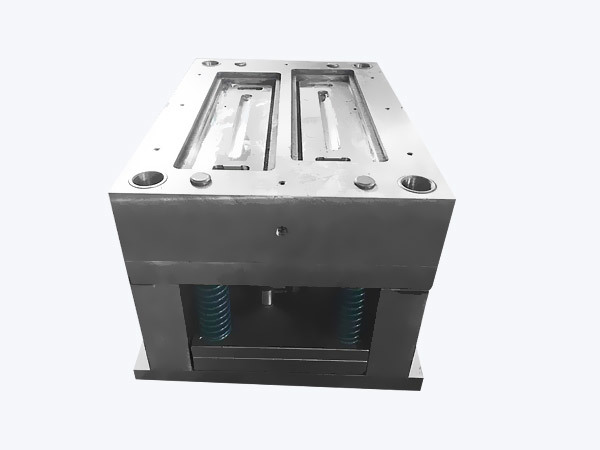
Plastic injection molding is a manufacturing process that involves injecting molten plastic into a mold to create various parts and products. This method has gained immense popularity due to its ability to produce complex shapes with high precision and efficiency. The process begins with the selection of plastic material, which is heated until it reaches a molten state and then injected into a mold cavity. Once cooled, the mold is opened, and the finished part is ejected.
The versatility of plastic injection molding makes it a preferred choice in industries ranging from automotive to consumer goods. By understanding the intricacies of this process, manufacturers can better harness its potential to improve production efficiency.
2. How Plastic Injection Molds Work
Plastic injection molds are designed to create specific shapes and features in the final product. The process involves several key stages:
1. **Mold Design**: The design of the mold is critical for achieving the desired product specifications. Engineers consider factors such as part geometry, material properties, and production volume when designing the mold.
2. **Material Preparation**: Selected plastic resins are prepared by heating them to their melting point. This ensures that the material flows easily into the mold.
3. **Injection Process**: The molten plastic is injected into the mold under high pressure. This pressure is essential for ensuring that the material fills every part of the mold cavity, preventing defects and ensuring uniformity.
4. **Cooling and Ejection**: After injection, the mold is cooled, allowing the plastic to solidify. Once cooled, the mold opens, and the finished part is ejected.
Understanding these steps is vital for optimizing the injection molding process, as each stage can significantly impact the efficiency and quality of production.
3. The Importance of Design in Injection Molding
Design plays a crucial role in the effectiveness of plastic injection molds. A well-designed mold can enhance production efficiency, reduce costs, and improve product quality. Key design elements include:
- **Cavity Configuration**: The shape and layout of the mold cavity directly affect the final product's design and functionality. Custom designs can accommodate complex geometries.
- **Gate Design**: The gate is the entry point through which plastic enters the mold. Proper gate placement and size are essential for minimizing defects and ensuring even material flow.
- **Cooling Channels**: Efficient cooling channels help maintain consistent temperature during the injection process, reducing cycle times and improving overall efficiency.
Investing time and resources into mold design can lead to significant long-term benefits in production processes.
4. Benefits of Using Plastic Injection Molds in Production
Incorporating plastic injection molds into manufacturing processes offers numerous advantages:
- **High Production Rates**: Injection molding allows for rapid production of large quantities, making it ideal for high-volume applications.
- **Precision and Consistency**: The process provides high levels of precision, ensuring that each part produced meets exact specifications.
- **Material Efficiency**: Minimizing waste is a key benefit, as the process uses only the required amount of material for each part.
- **Versatility**: A wide range of materials can be used in injection molding, including thermoplastics, thermosets, and elastomers, allowing for diverse applications.
- **Cost-Effectiveness**: Although initial mold production costs can be high, the long-term savings achieved through efficiency and reduced waste make injection molding a cost-effective choice.
These benefits highlight why plastic injection molds are essential in modern manufacturing.
5. Key Considerations for Selecting Plastic Injection Molds
When choosing plastic injection molds, several critical factors should be taken into account to maximize efficiency and effectiveness:
5.1 Material Selection
Choosing the right material is crucial, as it affects the durability, strength, and thermal properties of the final product. Factors such as environmental resistance and aesthetic requirements also play a role in material selection.
5.2 Mold Design
A well-designed mold is essential for minimizing production issues. Collaborating with experienced mold designers can help ensure that the mold design meets both functional and production requirements.
5.3 Production Volume
Understanding the expected production volume is essential for determining the type of mold to use. High-volume production may justify the investment in more complex and durable molds.
By carefully considering these factors, manufacturers can enhance their production processes and achieve better outcomes.
6. Innovations in Plastic Injection Molding Technology
The field of plastic injection molding continues to evolve with advancements in technology. Some notable innovations include:
- **Smart Molding**: Integration of IoT technology allows for real-time monitoring and data analysis, optimizing the injection molding process and enhancing maintenance schedules.
- **3D Printing**: The emergence of 3D printing technology has facilitated rapid prototyping of molds, enabling quick adjustments and reducing lead times.
- **Biodegradable Plastics**: Development of eco-friendly materials is paving the way for sustainable manufacturing practices, addressing environmental concerns associated with traditional plastics.
These innovations illustrate the dynamic nature of the plastic injection molding industry and the potential for continued efficiency improvements.
7. Common Applications of Plastic Injection Molds
Plastic injection molds are utilized across various sectors, demonstrating their versatility:
- **Automotive**: Components such as dashboards, panels, and exterior trims are commonly produced using injection molding.
- **Consumer Goods**: Household items like containers, toys, and appliances benefit from the efficiency and cost-effectiveness of injection molding.
- **Medical Devices**: Precision components for medical devices, including syringes and housings, are produced to meet strict regulatory standards.
These applications highlight the broad relevance of plastic injection molds in achieving efficient production across diverse industries.
8. Frequently Asked Questions
1. What materials can be used in plastic injection molding?
Many materials can be used, including thermoplastics, thermosets, and elastomers. The choice depends on the desired properties of the final product.
2. How long does the injection molding process take?
The injection molding cycle time can vary based on part design and material, typically ranging from a few seconds to several minutes per cycle.
3. What are the advantages of using injection molding over other manufacturing processes?
Injection molding offers high precision, reduced waste, and cost-effective production for high-volume applications, making it superior to many other methods.
4. Can injection molds be reused?
Yes, injection molds can be reused multiple times, which significantly contributes to their cost-effectiveness.
5. How can I ensure the quality of injection-molded products?
Implementing rigorous quality control measures, including inspections and testing throughout the production process, will help maintain product quality.
9. Conclusion
Plastic injection molds play a vital role in maximizing efficiency in production across various industries. By understanding the intricacies of mold design, material selection, and technological innovations, manufacturers can significantly enhance their production processes. The benefits of using plastic injection molds, including high precision, reduced waste, and cost-effectiveness, further underscore their importance in modern manufacturing. As the industry continues to evolve, embracing new technologies and techniques will be essential for maintaining a competitive edge.
PREVIOUS:
Contact Us
Tel:
+86017717930013 +86013621742959
Email:
Address:
No.99 Denggao Road, Motou Town, Rugao City, Jiangsu Province, China.


REQUEST QUOTE
Note:We will contact you within one working day. Please pay attention to your email.